


Roof Inspection Sydney: What We Actually Check, and Why You Get a Full Report
June 24, 2026 2:49 pmA roof problem rarely announces itself. By the time you see a stain on the ceiling, water has usually been finding its way in for months. That’s why a proper roof inspection isn’t just a quick look from the ground — it’s a close, methodical check of every flashing, fastener, vent, and joint that could let water through.
At Evolution Plumbing, we carry out roof inspections across Sydney for tile, metal (Colorbond), and commercial roofing — using both hands-on physical inspection and drone inspection where access or safety calls for it. Every job is backed by a written report, so you’re not just told “it’s fine” or “it needs work” — you can see exactly what we found.
Why a Professional Roof Inspection Matters
Most roof leaks don’t start at an obvious hole. They start small — a hairline crack in ridge pointing, a perished rubber seal around a vent pipe, a rusted fastener that’s lost its seal. Left alone, these turn into ceiling damage, mould, and much larger repair bills.
A professional inspection catches these issues early, gives you a clear record of your roof’s condition (useful for pre-purchase checks, insurance, or simply planning maintenance budgets), and means any repair work is based on evidence, not guesswork.
How We Inspect: Physical and Drone Roof Inspections
Every roof is different, and so is the safest and most thorough way to inspect it.
Physical (hands-on) inspection
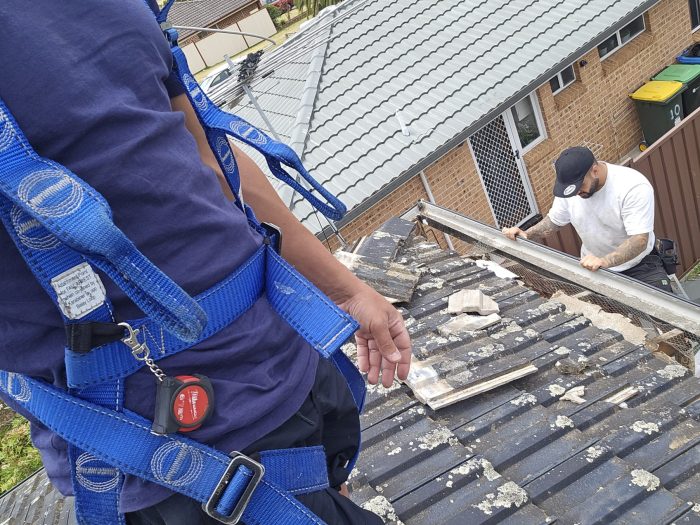
For most homes, our technicians get up on the roof in full safety harness and fall-arrest gear, walking the roofline to physically check ridge capping, valleys, flashings, penetrations, and fixings up close. Where needed, we’ll carefully lift tiles to check the sarking (underlay) and battens underneath — not just what’s visible from above.
Drone inspection
For steep pitches, fragile or heritage tiles, multi-storey homes, or large commercial roofs, we use drone inspection to capture high-resolution footage of the entire roof surface without unnecessary foot traffic or risk. It’s a fast way to get a complete overview before deciding where a closer physical check is needed.
On-site diagnostics
We don’t rely on a visual guess. Our inspections include measuring flashing overlaps and laps with a tape measure, and checking roof pitch with a digital inclinometer to confirm drainage falls and flashing compliance — important on lower-pitch metal roofs where water can pool if the fall isn’t right.
Common Roof Defects We Find Across Sydney
Here are some real examples from recent Evolution Plumbing roof inspections — the kind of issues that are easy to miss from the ground but show up clearly on a close inspection.
Cracked roof ventilators (whirlybirds)
Whirlybird vents are exposed to constant UV and weather, and their plastic or fibreglass caps crack over time. A cracked cap lets water track straight down into the roof cavity during heavy rain.
Deteriorated ridge capping and pointing
On tile roofs, the cement or flexible pointing that seals ridge capping tiles together breaks down with age and movement. Once it cracks, wind-driven rain can get underneath the ridge and into the roof space.
Cracked flashing at wall and valley junctions
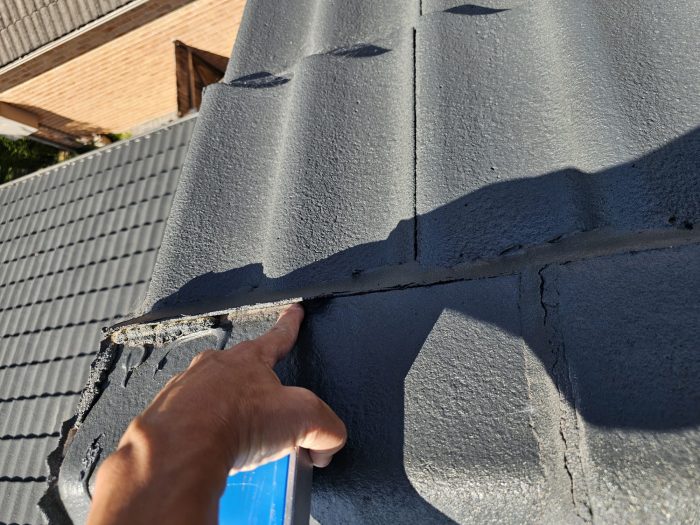
Where a roof meets a brick wall or changes direction at a valley, flashing does the heavy lifting. These junctions move slightly with the building over time, and cracks here are one of the most common causes of leaks above windows and along party walls.
Failed pipe and vent flashings
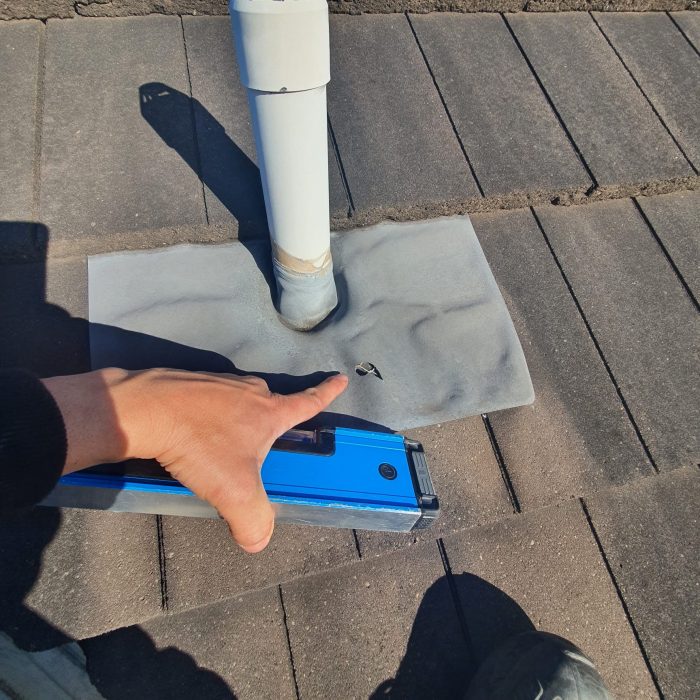
Plumbing vent pipes need a properly sealed flashing boot where they pass through the roof. UV exposure dries out and cracks these seals over the years, and a failed pipe flashing is a direct path for water into the ceiling below.
Poor previous repairs
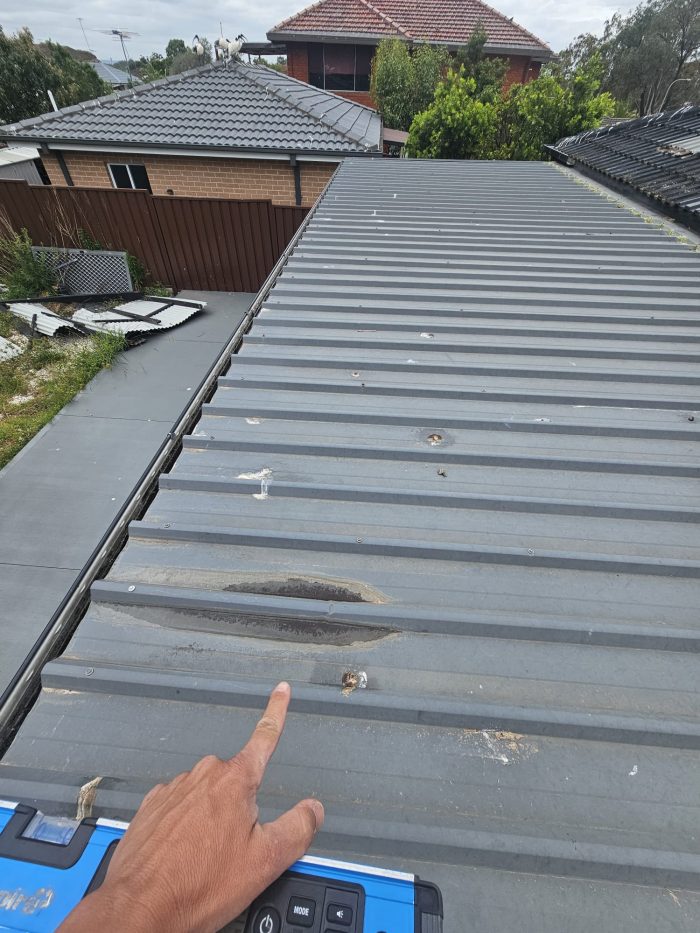
We regularly find roofs that have been “repaired” with a blob of roofing sealant over a hole or rusted fastener, rather than a proper flashing or panel fix. These patch jobs might hold for a season, but they’re rarely a long-term seal — and they often hide the real extent of the damage underneath.
Sarking and underlay condition
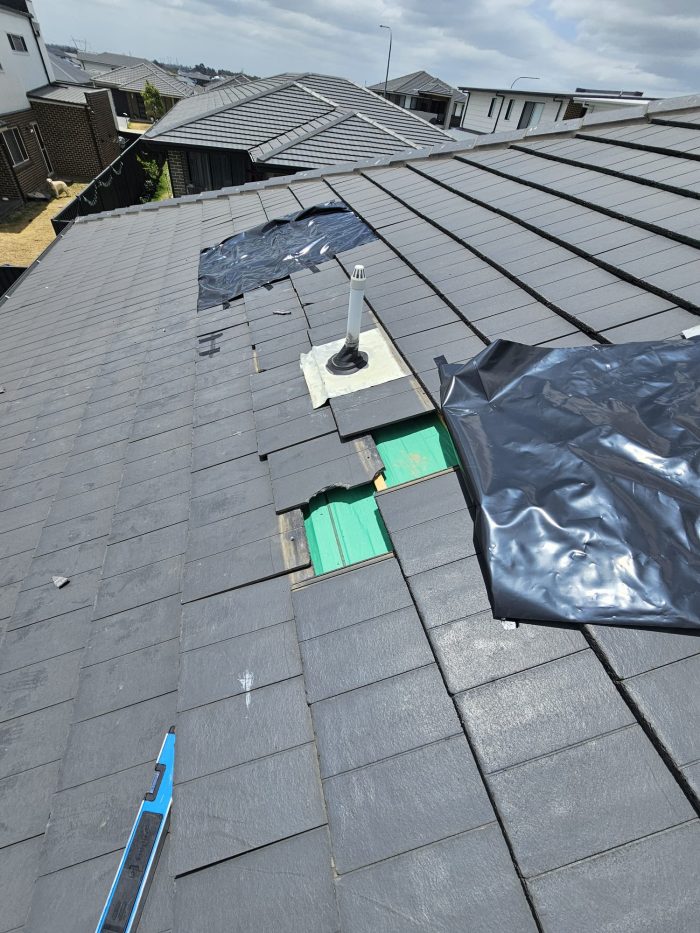
Once tiles are lifted, we can check the condition of the sarking (the waterproof membrane beneath the tiles) and the timber battens. This is often where the real story of a leak is found — staining, damp, or deteriorated sarking that isn’t visible until tiles are removed.
What’s in Your Roof Inspection Report
Every Evolution Plumbing roof inspection is backed by a detailed report, not just a verbal “it looks fine.” Your report includes:
-
- Photos of every defect found, with clear location notes
-
- Measurements and readings (flashing overlaps, roof pitch, etc.) where relevant
-
- A plain-English explanation of what each issue means and how urgent it is
-
- Recommended next steps, with options where more than one repair approach is possible
-
- Drone footage or images of the full roof, where a drone inspection was used
This means you’re making decisions based on evidence — whether that’s booking a repair, negotiating on a property purchase, or simply knowing your roof is in good shape for another year.
Book a Roof Inspection in Sydney
Whether you’ve noticed a stain on the ceiling, you’re due for routine maintenance, or you just want peace of mind before winter, Evolution Plumbing’s roof inspection service gives you a clear, photo-backed picture of your roof’s condition — with no guesswork and no surprises.
Get in touch with Evolution Plumbing today to book your roof inspection and receive a full written report on your roof’s condition.
Tags: roof leak inspectionCategorised in: News
This post was written by EVS Admin
Comments are closed here.